

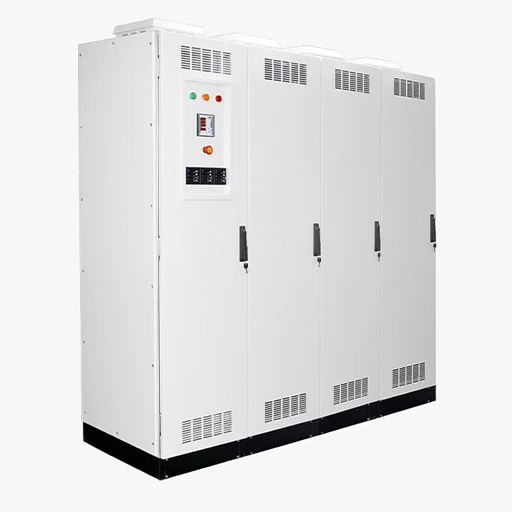


An Automatic Voltage Regulator (AVR) is an electronic device designed to automatically maintain a constant voltage level to electrical equipment. Not only does it do more than just correct fluctuations, but also it actively enhances power quality. AVRs are often integrated with advanced sensing and feedback systems that detect even subtle changes in input voltage or frequency. They are commonly used in generators and alternators, where they regulate the output voltage by controlling the excitation of the generator. AVRs can also help reduce energy waste by optimizing voltage delivery and minimizing the stress on connected devices, ultimately improving the efficiency and lifespan of electrical systems.
How Do Automatic Voltage Regulators Work?
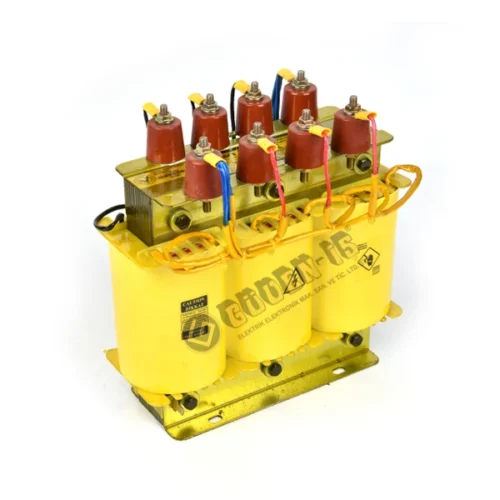
An AVR (Automatic Voltage Regulators (AVRs) is an intelligent electrical device that continuously monitors incoming voltage and maintains a stable output by dynamically compensating for fluctuations with control systems and transformers. It relies on sensors to detect voltage variances and then triggers relay-based switches or motor-driven servo mechanisms to adjust transformer windings (taps), either increasing or decreasing the voltage in real time. Microcontrollers, pulse width modulation (PWM), and zero-cross switching can all be used by AVR to make fast, precise, and energy-efficient corrections. Internally, it combines analog sensing, digital logic, and electromagnetic control to ensure that delicate equipment receives a stable voltage regardless of grid instability.
Types of Automatic Voltage Regulators
Automatic Voltage Regulators (AVRs) exist in a variety of advanced types, each designed to regulate voltage using distinctive control methods and hardware architectures. Electromechanical AVRs use servo motors connected to variacs (variable transformers) to smoothly change output voltage based on real-time feedback, resulting in excellent precision. Relay-type AVRs use discrete tap-switching with electromagnetic relays to provide stepwise voltage correction that is simple and durable. Electronic or solid-state AVRs use high-speed semiconductor components such as triacs, IGBTs, or MOSFETs to provide rapid and silent correction through pulse modulation or boost circuits, with minimum mechanical wear. Digital or microcontroller-based AVRs use embedded systems to analyze voltage data, predict fluctuations using algorithms, and dynamically adjust control parameters, making them excellent for smart grids or unstable conditions.


Reviews
There are no reviews yet.