

A shunt reactor is essentially a large inductor connected in parallel to high-voltage AC transmission lines. Its core function is to absorb inductive reactive power, which helps to control voltage levels and maintain grid stability, especially on long transmission lines or cables where capacitive effects can cause voltage rises. By acting as a “sponge” for this excess reactive power, shunt reactors prevent overvoltage, improve power factors, and minimize line losses, ensuring the reliable and efficient delivery of electricity. These critical components are typically found in high-voltage substations, essential for modern power systems.
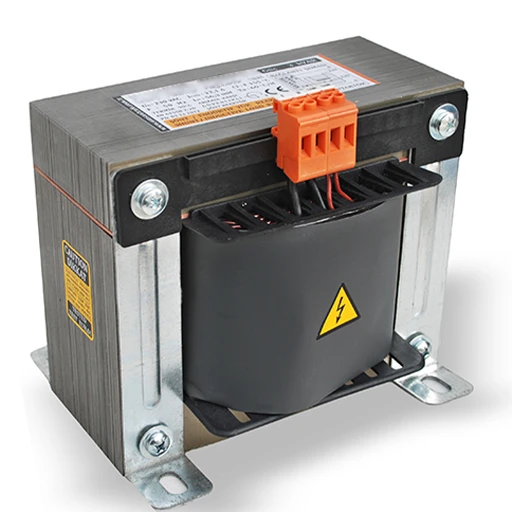
Shunt Reactors
Following 1… 5 tests are the routine tests that are performed for each shunt reactor during the manufacturing process and the other tests (6,7 and 8) are performed upon request.
- Inductance test
- Current test
- Resistance Test
- Impulse voltage withstand test
- One minute Insulation voltage withstand test ( AC )
- Short circuit withstand test
- Temperature rise Test
- Sound level test

Reviews
There are no reviews yet.